

Community Impact Breakfast brings stakeholders together
Fello Celebrates Conservation and Community at Waterfowl Festival

Each year, the Waterfowl Festival brings people together to celebrate what makes the Eastern Shore special—its heritage.
On November 14, Fello joined the 54th annual festival to host the Community Impact Breakfast in partnership with the Talbot County Office of Economic Development and Tourism and the Waterfowl Festival.
Held annually on the festival’s opening morning, the Community Impact Breakfast brings together business leaders, local officials, and community members to celebrate the start of one of Maryland’s beloved cultural traditions.
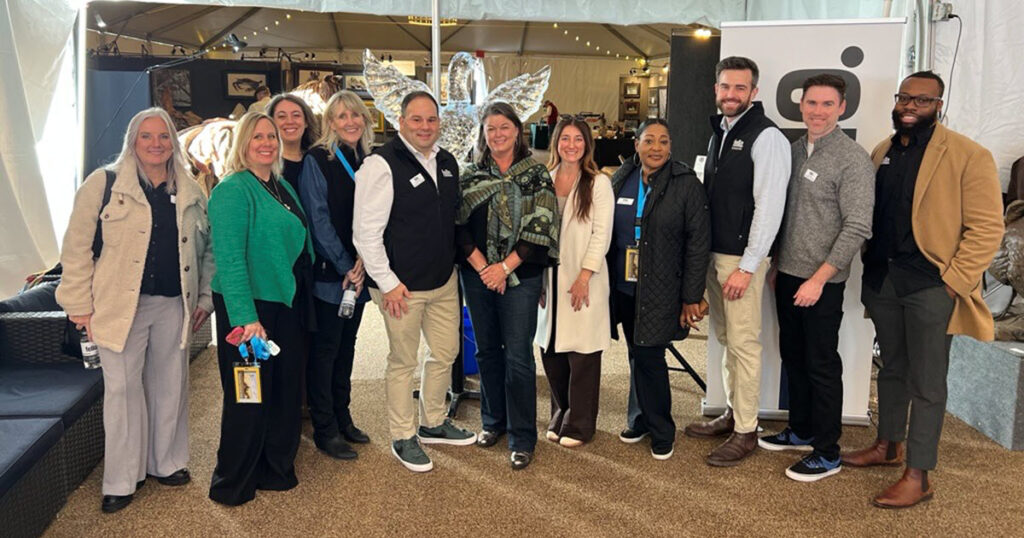
Fello Brings Leaders Together
On Friday, nearly 120 people gathered for a morning of conversation about how conservation and cultural celebration fuel economic development and strengthen community well-being in Talbot County and beyond.
For Fello, events like the Waterfowl Festival are an opportunity to build space for meaningful conversations about inclusion and belonging for people with disabilities and all Marylanders in our communities.
“Events like the Waterfowl Festival remind us that community isn’t built in isolation,” said Jonathon Rondeau, President & CEO of Fello. “Community is created when we come together as community leaders, learn from each other, and envision better futures together that benefit everyone.”
Fello has proudly sponsored the Community Impact Breakfast for nearly five years because the conversations community leaders have at this event are meaningful and impactful.
Guests heard from an array of speakers about the future possibilities of economic growth and sustainability in the region, including Steven A. Connelly, Deputy Secretary, Maryland Department of Agriculture; Karina Stonesifer, Director, Maryland Department of Natural Resources Wildlife & Heritage Services; Deena Kilmon, Executive Director, Waterfowl Festival; Cassandra Vanhooser, Director, Talbot County Economic Development & Tourism; and Jonathon Rondeau, President & CEO of Fello.
These conversations matter because they bring together the leaders who make change possible in our communities.
Our neighborhoods, towns, and regions depend on collaboration, shared purpose, and the belief that everyone deserves the opportunity to belong and succeed.
“The Waterfowl Festival and Fello share the same goal of creating opportunities for everyone to participate fully in their community,” said Jonathon. “As Fello looks to the future of developing Easton Crossing and Silo Court in Easton, conversations about sustainability and creating community are critical, and they’re happening here at Waterfowl.”
Celebrating What Brings Us Together
Events like the Waterfowl Festival strengthen every part of community life. Each year, the Waterfowl Festival generates economic impact that sustains local businesses, preserves and celebrates regional heritage, and creates opportunities for people to connect across different experiences.
This year, over the three days of the festival, 25,000 visitors will explore the work of 350 artists and vendors. Since its founding, the Waterfowl Festival has contributed $5.7 million to conservation efforts.
Events like this fuel what makes communities great: families discover new traditions, artists sharing their craft, and neighbors coming together around what connects us.
Most importantly, they remind us that belonging doesn’t happen by accident—it happens through intention, partnership, and commitment.
That’s why Fello continues to invest in this event and others like it. Because when we create spaces where everyone can participate, contribute, and belong, we build the kind of community where everyone can thrive.
From Serving Her Country to Serving Her Community: Meet Tabitha

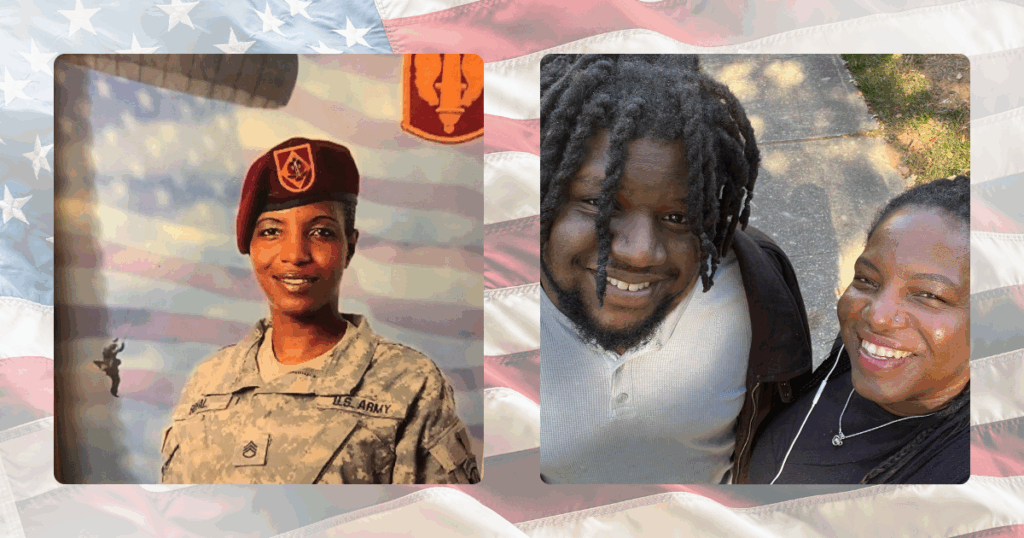
This Veterans Day, we’re proud to recognize Tabitha, an Army veteran who served for 20 years and now brings that same dedication to supporting her son at Fello.
Tabitha served in the U.S. Army from 1993 to 2013, achieving the rank of E-6. She was drawn to the military by a desire to be part of something bigger than herself, and that sense of purpose continues to guide her today.
Now a mom of six, Tabitha works as a Direct Support Professional (DSP) at Fello, where she’s found a new mission that hits even closer to home: supporting her 30-year-old son through Self-Directed Services.
A New Mission
When her son aged out of the programs at Kennedy Krieger, a social worker shared options for continued support. Fello immediately stood out.
“Fello was well known and the most popular,” said Tabitha. What really caught her attention was Fello’s approach to inclusion: “They were diverse, as far as different people they supported, and the people who work there.”
Valuing diversity mattered to Tabitha. In the military, she served alongside people from many backgrounds and experiences and knew that diversity strengthens a team and helps build understanding. Tabitha recognized that same commitment to inclusion at Fello and knew it was an organization worth exploring.
What began as a search for the right support for her son became an opportunity for her, too. Inspired by Fello’s mission and the people she met, Tabitha joined Fello as a DSP. Now, Tabitha gets to do something she genuinely loves.
“I like to go to different places and do activities with my son,” she said. “I get to help him be a member of society and experience life.”
Service, Duty, Respect
When asked how her military experience shows up in her work, Tabitha shared three words: service, duty, respect.
For Tabitha, duty is all about following through no matter what. “When you start a job, you finish the job,” she said. “Even though the person may be going through something, you make sure they are okay.”
For Tabitha, this has always meant putting the person first. This approach aligns closely with Fello’s mission to provide person-centered support that honors each person’s needs, choices, and experiences.
The Army also taught her how to support people during difficult moments and how to show up for people in meaningful ways. “In the military, we had people going through different circumstances that often made them feel unheard,” said Tabitha. “I became their counselor, friend, boss, and confidante.”
Tabitha learned to be flexible, to understand what may trigger someone, and to really listen. “Everything isn’t just black and white. You have to figure out the root of the problem and put time into that person to know what’s going on.”
Those 20 years of service shaped how she supports others today. “Without my military experience, I would have started from scratch. I would have had to learn a lot more basics in communication,” she said.
Instead, Tabitha came to Fello with the patience and understanding needed to support her son and others.
More Than Just a Job
There’s something else Tabitha found at Fello that reminds her of her military days: a sense of genuine care and loyalty.
“Fello shows they really do care. It’s not just a job,” she says. “I have a lot of love and respect for Fello, and I love the way they do things.”
This Veterans Day, we honor Tabitha and all veterans who continue to serve their communities every day. Service does not stop with a uniform. It grows into new forms of leadership, purpose, and connection.
Fello and Michele Tharp Appoints Anastasia Kulick and Sam Shoge to Board
Fello Welcomes Two New Board Members to Strengthen Leadership & Vision
Fello and Michele Tharp, Board Chair, are proud to announce the appointment of two new members to the Board of Directors. Anastasia Kulick and Sam Shoge began their terms on November 1, and bring expertise in self-advocacy, community leadership, and economic development that will help guide Fello’s mission of empowering people and strengthening communities.
“Sam and Anastasia will serve as impactful leaders on Fello’s board, and I look forward to the ways their leadership, experience, and knowledge will shape Fello’s future,” said Jonathon Rondeau, President & CEO of Fello. “Anastasia brings the voice and perspective of the people we serve, ensuring our decisions are grounded in lived experience. Sam brings strategic business expertise and a track record of helping organizations grow sustainably.”
Anastasia Kulik is a self-advocate and serves as the President of Living Boldly’s Anne Arundel County chapter, Fello’s self-advocacy group for people with disabilities. She is deeply committed to fostering collaboration and open dialogue, actively listening to the needs of her group while providing excellent leadership. Under her guidance, Living Boldly has grown in both membership and influence. Anastasia’s passion, dedication, and innovative ideas inspire others to get involved and drive positive change. She was also honored this year with a Lorraine Sheehan Advocacy Award in recognition of her outstanding advocacy and leadership.
Sam Shoge is an entrepreneur and business strategist with a career dedicated to helping small businesses grow, supporting local entrepreneurs, and driving economic development across rural Maryland. As Co-Founder and Partner at Rivers & Roads Consulting, Sam leads a firm that works with mission-driven organizations, municipalities, and entrepreneurs to bring economic development projects to life. Previously, Sam served as Executive Director of the Kent County Chamber of Commerce, guiding the organization through the height of the COVID-19 pandemic. Under his leadership, the Chamber became a vital resource for local businesses, increasing sponsorship revenue by more than 50%, launching award-winning publications, and positioning the Chamber as a central driver of community and economic growth.
Anastasia and Sam join a diverse group of board members who bring expertise across advocacy, nonprofit leadership, business, and community development. Together, the board works closely with Fello’s leadership to set strategic direction, identify opportunities, and ensure the organization continues to build inclusive, equitable communities where everyone belongs.
For more information about Fello’s board of directors, visit fello.org.
Highlighting Disability Employment Awareness in Denton
How to Vote with a Disability in Maryland: Complete Guide to Accessible Voting Rights & Resources

Your vote is your voice, and every voice deserves to be heard. For Maryland voters with disabilities, accessible voting is about more than convenience—it’s about inclusion and self-determination. This guide covers what you need to know about voting access in Maryland, including your rights, available accommodations, accessible ballot options, and trusted election resources.
At Fello, we believe every person deserves the opportunity to participate fully in the decisions that shape their community.
Why Voting Matters for People with Disabilities
Your Voice Shapes Your World
Every decision made by elected officials affects the daily lives of people with disabilities—health care, transportation, disability services, housing, and more.
When you vote, you’re not just casting a ballot—you’re making sure your experience is seen, heard, and valued in the policies that shape your life and your community.
Turning Votes into Change
Voting shows what matters to communities. It determines how resources are allocated, rights are protected, how accessible public transit is funded, and how programs supporting independence and inclusion are maintained.
Your vote turns personal experience into public impact.
Visibility That Matters
When people with disabilities show up at the polls, it sends a powerful message—that accessibility, equity, and inclusion matter.
High turnout amplifies advocacy, helps break down systemic barriers, and reminds leaders that every voice counts.
Federal Protections & Rights for Voting with a Disability
Accessible voting in Maryland is built on a strong foundation of federal protections that ensure every voter can participate fully, privately, and independently.
These laws make it clear that accessibility isn’t optional—it’s a right.
The first major step came in 1984 with the Voting Accessibility for the Elderly and Handicapped Act (VAEHA). This law requires that all registration facilities and polling places for federal elections be accessible to people with disabilities. It also prevents states from asking voters with disabilities to provide medical proof in order to vote via absentee ballot—a critical step toward fairness and dignity at the ballot box.
In 2002, the Help America Vote Act (HAVA) strengthened these protections. HAVA requires every polling place in federal elections to have at least one accessible voting system, like a ballot-marking device. These tools allow voters with disabilities to cast their ballots privately and independently, using features like audio guidance, large print, or alternative input methods.
The Americans with Disabilities Act (ADA), Title II, extends these protections to all state and local government services, including elections. That means polling places must provide reasonable accommodations, like ramps, clear signage, and accessible layouts, so that every voter can enter, navigate, and cast their ballot without unnecessary barriers.
Section 504 of the Rehabilitation Act and other civil rights laws reinforce these protections by prohibiting discrimination in any program or activity that receives federal funding, including elections.
Together, these laws form the backbone of accessible voting in the United States, ensuring that people with disabilities have the same opportunity to participate in democracy as everyone else.
Take Action: Ready to make your voice heard? Federal law guarantees your right to accessible voting. Plan ahead by checking your voter registration or requesting a mail-in ballot to make sure your experience at the polls is smooth and empowering.
Maryland State Accessible Voting Laws & Policies
In Maryland, accessible voting isn’t just a priority—it’s the law. The Maryland State Board of Elections ensures that all early voting centers are fully accessible, and that every polling place offers an accessible ballot marking device (BMD). These devices include features like audio guidance, large print, high-contrast displays, and assistive input options, making it easier for voters with disabilities to cast their ballots independently and privately.
For voters with print disabilities, the state also provides an online accessible ballot marking tool. This tool allows voters to mark their ballots digitally, then print and mail them back, ensuring accessibility extends to those voting from home or remotely.
Voting Rights for People Under Guardianship
Maryland protects the voting rights of people under guardianship. A person can be disqualified from voting only if a court determines, by clear and convincing evidence, that they are unable to communicate a desire to vote—even with reasonable accommodations.
For example, a person who uses an assistive device or gestures to indicate their voting choices still retains their right to vote. Only if a court finds that a person cannot express their intent to participate in any way would that right be removed.
Continued Commitment to Access
Recent legislation, like the Accessible and Expedited Voting Act (SB 66), reinforces Maryland’s dedication to accessible voting. The law encourages local election boards to adopt procedures that make voting faster and more supportive for older adults and people with disabilities, ensuring that every Marylander has a fair and accessible opportunity to make their voice heard.
Accessible Voting Options in Maryland
Voting at the Polls
Every polling place and early voting center must provide a ballot marking device (BMD), like the ExpressVote system. These machines include a range of accessibility features: audio ballots through a headset, keypad navigation, high-contrast and large-print displays, adjustable screens, and support for assistive input devices like sip-and-puff systems.
Your Rights to Assistance
Voters may bring a trusted person—a friend, family member, or Direct Support Professional—to help mark their ballot. That helper signs a Voter Assistance Form, confirming they’re providing support, not influencing choices.
Accommodations at Polling Places
Election officials are required to provide reasonable accommodations such as ramps, seating, adjusted paths, and reachable voting equipment. Poll workers are trained to assist with BMDs and explain features like audio ballots or alternative input methods.
If Your Polling Place is Inaccessible
If a polling place isn’t accessible, voters can request curbside voting, be reassigned to an alternate accessible location, or vote early or by mail.
Voting by Mail
Any registered voter can request a mail-in ballot. For people who find it difficult to mark a paper ballot, the state offers an online accessible ballot marking tool. This tool allows voters to make their selections electronically using assistive technology, print their completed ballot, and then return it just like any other mail-in ballot.
How to Request a Mail-in Ballot
Any registered Maryland voter can request a mail-in ballot, no special reason required. You can request one:
- Online through the Maryland Voter Services portal
- By mail, phone, or in person at your local board of elections
No medical certificate or proof of disability is ever required. Both Maryland law and federal law, including the VAEHA, protect this right.
Returning Your Mail-in Ballot
Once completed, mail-in ballots can be returned in one of three secure ways:
- By mail (must be postmarked by Election Day)
- By placing them in an official drop box
- By hand-delivering them to your local board of elections
Ballots cannot be returned electronically by email or fax to ensure ballot security and consistency in the voting process.
Need Help Printing Your Ballot?
If you’re unable to print your ballot at home, contact your local board of elections as soon as possible—they may be able to mail you a pre-printed ballot or offer other accommodations. Since options vary by county, it’s best to reach out directly to confirm what’s available in your area.
Where to Find Official, Up-to-Date Voter Information
The Maryland State Board of Elections is the central hub for accessibility guidance, voter registration, polling place locations, and election tools. For additional state-level guidance on voting rights and accessible procedures, the U.S. Vote Foundation’s Maryland Voters with Disabilities Guide offers practical tips and instructions.
Disability Rights Maryland provides advocacy, resources, and a hotline to report any accessibility challenges at the polls. National hotlines like Election Protection (1-866-OUR-VOTE) are also available to help voters experiencing discrimination, malfunctioning equipment, or other issues.
For general election dates, deadlines, and candidate information, Vote411 Maryland and Ballotpedia are reliable, nonpartisan sources.
Finally, check your local county website for updates on polling place changes, email alerts, or newsletters from disability advocacy groups. These local notifications can help you plan ahead and ensure your vote is counted.
By using these resources, Maryland voters with disabilities can confidently navigate the voting process, knowing they have the tools and support needed.
Next Steps for Success on Election Day
Here’s what you can do right now to ensure success on election day:
- Check your voter registration status at the Maryland State Board of Elections website
- Request a mail-in ballot if voting from home is more accessible for you
- Locate your polling place and confirm it has accessible features
- Know your rights and don’t hesitate to ask for accommodations
- Report problems by calling 1-866-OUR-VOTE if you experience barriers
If you or someone you know has a disability, use the tools and protections available — and insist on access. If you have any questions or concerns, reach out to Rylie Shewbridge, Director of Government Relations at rshewbridge@fello.org.
Stay Connected & Informed
Want to stay up to date on important legislative updates, disability rights, and community news? Connect with Fello:
- Join Our Newsletter
- Follow Fello on Facebook, Instagram, and YouTube
Keep Advocating Beyond the Ballot
Voting is just one way to make your voice heard. Fello’s Living Boldly Self-Advocacy Group empowers people with disabilities to represent themselves, share ideas, and drive meaningful change. This public group is open to anyone with a disability—you don’t need to receive Fello services to participate.
Join the next Living Boldly meeting and continue shaping the communities you want to live in.
Celebrating One Year of Port Street Commons: Affordable Housing That Feels Like Home

One year ago, Port Street Commons opened its doors in Easton, Maryland, and showed our community just how beautiful, safe, and affordable housing can be when it is about fostering community. What began as a vision to create a unique, mixed-use space has grown into a real community where families find stability, neighbors connect, and everyone belongs.
Port Street Commons is just the beginning of how Fello Communities is rethinking what home can look like.
In the next episode of our Fello Thinking Differently podcast, Ross Benincasa, Senior Vice President of Community Development, shares how Fello approaches housing development differently—leading with people first.
A Year of New Beginnings
When Chelsea and her husband Jeff learned they’d won a spot in the Port Street Commons lottery, the news came with tears of joy. They were among more than 200 applicants who applied within 24 hours of the lottery opening—all seeking the same thing: a safe, stable home for their families.
“Life before moving to Port Street Commons with our two children was extremely uncertain,” Chelsea shared. “Rent prices always seem to increase and you never know when your landlord will implement life-altering changes.” Their previous landlord had been trying to sell the home they rented, leaving their future in limbo.
Chelsea and Jeff were the first family Fello called to announce the lottery results.
“You could hear the tears of joy on the phone,” recalled Keenan Troxler, Assistant Director of Property Operations at Fello Communities. “Move-in day was the first time they really saw the space they would be living in. Seeing their faces and joy as they crossed the threshold was truly rewarding.”
Today, Chelsea describes their life at Port Street Commons as “security in every sense of the word.”
More Than Just a Landlord
What makes Port Street Commons truly special is how Fello supports residents, proving they are more than just a landlord.
“I was blown away when Fello reached out and wanted to provide both our children’s school supplies,” Chelsea said. “Not too many people can say that about their landlord.”
Over the past year, Port Street Commons has shown it isn’t just a new development—it’s an ongoing commitment to the people who live there.
“When it comes to housing, more often than not developers are thinking about bricks and mortar and spreadsheets,” said Ross Benincasa, Senior Vice President of Community Development. “At Fello we lead with the tenant. What is the problem we’re trying to solve? How can we utilize the things we’re good at to help tenants in need?”
That philosophy comes to life in how Fello’s team supports residents year-round. Keenan Troxler and his team see themselves as more than just landlords—they’re partners in helping residents build stability, independence, and a sense of belonging. Whether it’s connecting people with resources, checking in during tough times, or celebrating milestones together, their approach is rooted in community.
“We don’t believe you can have safety and the ability to work on other needs in your life if you don’t know you have a safe, well-cared-for place to go home to,” Ross explained. “That is something we really pride ourselves on—making sure we are doing our part to make sure our tenants have what they need to be successful. This means being responsive and proactive to meet and anticipate people’s needs.”
A Catalyst for Community Growth
Port Street Commons was the first completed project on Port Street, supporting Easton’s broader goal of revitalizing the Port Street Corridor. It demonstrates what’s possible when mission-driven development meets community needs, creating infrastructure that serves everyone while addressing critical housing shortages.
The partnerships formed this year—with local service providers, nonprofits, and community organizations—have strengthened the resources and connections available to residents and neighbors alike.
Affordable Housing Without Compromise
Port Street Commons shows that affordability can go hand-in-hand with high-quality design, comfort, and community-centered living. Thoughtful layouts, modern finishes, and shared spaces that foster connection prove that housing can be both affordable and dignified.
The Residences at Port Street Commons include nine affordable housing units for people earning up to 65% of the Area Median Income (AMI). Two units are fully accessible, and one is dedicated to building housing security for people transitioning out of homelessness through a partnership with the Talbot Interfaith Shelter.
But affordability doesn’t mean cutting corners. Every unit features energy-efficient appliances, in-unit laundry, free WiFi and water, 24/7 emergency maintenance, and access to EV chargers. Families with children benefit from the on-site playground, and the building also includes a Community Hub that local nonprofits can rent for programs and gatherings.
These aren’t just amenities—they’re the building blocks of stability and dignity that every family deserves.
Looking Ahead
As Port Street Commons enters its second year, Fello remains committed to deepening community engagement and expanding resident programming. More events are planned for the holidays and throughout the year, creating opportunities for neighbors to connect and celebrate together.
For families like Chelsea and Jeff’s, Port Street Commons has become more than an address. It’s a launching point for stronger lives, a place where children can grow up with stability, and a community where everyone belongs. That’s the vision Fello set out to create one year ago—and it’s just the beginning.
The Season of Giving: Fello’s Community in Action

We’re celebrating the people who bring Fello’s mission to life—the voices speaking up for change, the hands showing up to serve, and the partners working with us. Giving back isn’t just a seasonal tradition at Fello; it’s part of everything we do.
Here’s a look at how our community is creating change and building a more inclusive world, one act of service at a time.
A Community of Doers
At Fello, the people we support are active in creating positive change, demonstrating every day that inclusion strengthens communities when everyone has the chance to contribute. This year, Living Boldly—Fello’s self-advocacy group—hosted its first annual Volunteer Day, where people with disabilities joined in service projects across the region.
But creating positive change isn’t just about volunteering—it also means showing up when and where your community needs you. When disability funding faced cuts earlier this year, Fello advocates traveled to Annapolis to make their voices heard. Speaking from lived experience, their participation in these conversations drives meaningful change that benefits entire communities.
Dominique Palmer, Advocacy Specialist for Fello’s Living Boldly, emphasized the importance of self-advocacy:
“Sometimes people without disabilities try to tell our stories for us. But we need to be the ones to tell our stories about how we experience things as a person with a disability. If we let others tell our stories for us takes away our power.”
Leading Through Service
Fello employees bring the organization’s mission to life both on the job and in the community, using their expertise and passion to advance inclusion and equity in ways that uplift the community and amplify every voice.
Many serve on nonprofit boards or volunteer with organizations aligned with their values. Their commitment reflects a deep understanding that building strong communities requires showing up and applying their skills where they can have the greatest impact.
Catie Comer, Director of Strategic Communications, has served on the board of the Anne Arundel County Literacy Council for nearly five years, where she brings her expertise in storytelling and community engagement to advance literacy access.
“Literacy is the foundation for so much,” says Catie. “It opens doors to opportunity, independence, and connection. When people can read, they can explore new ideas and work toward their goals. They’re not just taking part in the world around them—they’re improving their lives.”
Megan Lyle, Senior Vice President of Administration and General Counsel, channels her passion for equity into her board service with the Anne Arundel County Food Bank.
“Access to healthy, nutritious food is a fundamental human right. It shapes not only our health, but also our ability to learn and grow,” Megan shares. “Growing up, I was deeply involved in food drives and local initiatives that provided meals to people in need, and I’ve seen firsthand how consistent access to good food can change lives.”
Fello’s own board members play a vital role in advancing the organization’s mission and shaping strategies that build more inclusive communities. Their leadership keeps us grounded in our mission while guiding thoughtful growth and embracing new opportunities to strengthen inclusion across every community we serve.
“Serving on Fello’s board is about more than governance—it’s about being part of a movement that’s expanding what inclusion looks like in real life,” says Steve Smollon. “Every decision we make helps open doors for people with disabilities to live more independently and be part of the communities they choose.”
Through the dedication of board members like Steve, Fello can amplify its impact, connect with community partners, and strengthen programs that empower people with disabilities to thrive.
Partners Who Serve
Fello’s work is strengthened by corporate partners who support our mission in different, meaningful ways—through financial contributions, volunteer service, in-kind expertise, and hands-on projects that touch the community.
Our general contracting partner, BGC G&G, has long been a champion for inclusion, donating services and materials, supporting families through Holiday Giving, and even contributing to the water feature at Port Street Commons that celebrates Maryland’s Eastern Shore heritage.
“Over the years, we’ve been proud to partner with Fello because we believe communities are stronger when everyone can be a part of them,” says Ben Harries, owner of BGC G&G. “Our team is proud to contribute to an organization that creates real opportunities for connection and independence in the community.”
CallTrackingMetrics, headquartered in Millersville, MD, brings both time and resources to Fello’s programs. Since 2022, they’ve sponsored 15 children annually through Holiday Giving, with team members volunteering each year to help sort and prepare gifts.
“CallTrackingMetrics supports and volunteers with Fello because we believe inclusion and accessibility strengthens every community, and Fello embodies that ethic,” explains Sean Nidecker, Enterprise Solutions at CallTrackingMetrics. “We get to see that our team is helping to advance opportunities for independence and creativity—values that reflect our own commitment to being community driven and making a positive impact beyond the workplace.”
In addition to time and resources, partners like idfive support Fello through in-kind contributions, helping communicate its mission, expand awareness, and engage the community through marketing, design, and communications expertise. Their work amplifies Fello’s impact, ensuring more people learn about and can access our programs.
Caitlin Currey of idfive shares, “At idfive, we’re drawn to organizations that lead with heart and purpose—and Fello does that in every possible way. Supporting their work through in-kind strategy and creative services allows us to live our own mission to amplify good. Every project we touch with Fello is a reminder that inclusion and belonging aren’t abstract ideas—they’re something we help build together.”
Gratitude in Action
As we enter this season of thanks, we’re grateful for every person who contributes to Fello’s mission of building inclusive, connected communities. Whether through volunteering, advocacy, board service, or partnership, each act of giving back strengthens our community and moves us closer to a world where everyone has the opportunity to live, work, and contribute. Thank you for being part of this movement—for showing up, for contributing your time and talents, and for believing that together we can create communities where everyone belongs.