Each year, a committee of dedicated Fello employees reviews applications from families who have children with disabilities across Maryland—families actively seeking the therapies, equipment, and experiences that will help their children thrive.
Behind every application is research, planning, and the worry that comes with high costs for opportunities that could make a real difference in a child’s life.
Families who have children with disabilities face real barriers: insurance often doesn’t cover specialized therapies, adaptive equipment, or educational and recreational opportunities, leaving many of these critical supports out of reach.
That’s why Fello created the Family Fund—to help families access the tools, experiences, and resources that allow children to live more fully and independently.
This year, thanks to the generosity of our community, the Family Fund raised $113,600, supporting 96 families across Maryland. That’s 96 children gaining confidence, parents breathing a little easier, and families saying “yes” to something they once thought wasn’t possible.
What is The Family Fund?
The Family Fund is more than a grant program—it’s a lifeline. Created by Fello in 2017, it helps families of children with disabilities access the therapies, equipment, and experiences that can make the biggest difference in their child’s life.
The Family Fund supports what matters most for each child—whether that’s specialized therapies, assistive technology, adaptive equipment, inclusive summer camps, or other opportunities that foster growth, learning, and independence. Many of these essential supports and resources are not covered by insurance, leaving families with significant out-of-pocket costs and creating financial barriers to the care and experiences their children need.
Each application is carefully reviewed by a committee of Fello employees, and every dollar awarded goes directly to the programs, tools, or experiences that help children thrive—bridging the gap between what’s covered and what’s possible.
Because of You, Children and Families Are Thriving
Because of the generosity of our community, the Family Fund continues to transform the lives of children and families across Maryland.
In 2025, the Family Fund awarded a record-breaking $113,600 to 96 families—our largest distribution ever. That includes 62 fully-funded grants and 34 partially funded grants, each representing a child whose life is brighter and a family whose burden is lighter.
Since its start, the Family Fund has awarded $382,000 in grants, but the real measure of success isn’t in dollars—it’s in the dozens of stories we hear every year about the impact made on families in Maryland.
Here’s what families are saying:
“You have blessed my family not just in this moment but for years to come. The surgery that my daughter had will essentially affect her whole life. She has greater movement, more comfort, and better stability.”
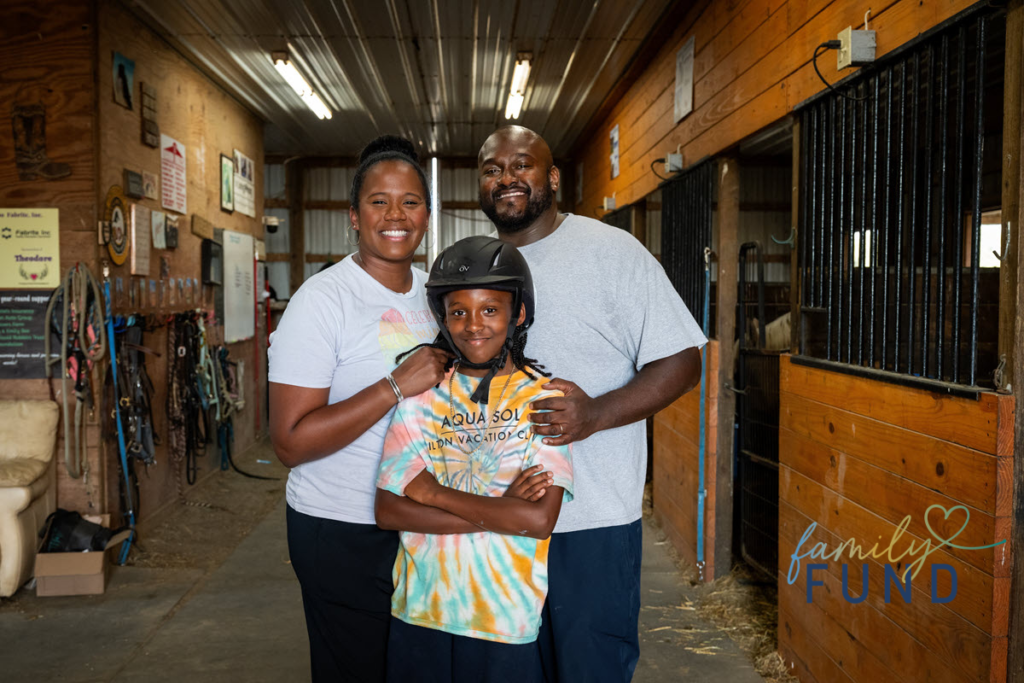
“This program—and your support—has reminded us that our child’s challenges don’t define her, and that our family is worthy of joy, growth, and support. Thanks to the Family Fund, riding has become a joyful, healing experience not just for our child, but for our family.”
“Your donations are not taken lightly and are the light we need when navigating such hard times with a medically complex child and an insurance who wants to deny everything.”
To see more stories of impact, check out Because of You, where parents share the full stories of how this grant has changed their children’s lives.
Looking Ahead
The demand for resources like the Family Fund continues to grow, which shows that the need in our communities is real and ongoing.
As we look ahead to next year’s Family Fund cycle, which closes on January 15th, we invite you to be part of creating more of these transformative moments for Maryland families by making a gift today.
Targeted Interventions, 504 Plans, and IEPs Explained for Parents
The school year may have just started, but signs that your child needs extra support can appear quickly.
Teachers might express concerns about reading or other subjects, homework may become a nightly struggle, or your child might come home frustrated, saying they “just don’t get it.”
When this happens, many parents wonder how to get help—but the process can feel overwhelming.
The good news is that schools offer several ways to support students, and you don’t have to navigate it alone.
Understanding the difference between targeted interventions, 504 plans, and Individual Education Programs (IEPs)can help you advocate for your child and work effectively with their school team.
Understanding Your Child’s Support Options in School
Targeted Interventions
These are often the first steps when teachers notice a student needs extra support. They can include additional teaching strategies or small group instruction that happen within the general education setting. Your child might work with a reading specialist twice a week, join a small math group, or participate in “lunch bunch” social skills activities.
These supports can be incredibly effective and don’t require formal documentation or meetings.
The key thing to understand is that receiving targeted interventions doesn’t mean there’s something wrong—targeted interventions are a way to give students specific support when there is an area of classroom performance that the school wants to address. This simply means that the school is being proactive about meeting the students’ needs.
504 Plans
These plans are designed for students who have a diagnosed condition that makes learning more challenging, but who don’t need specialized instruction.
These plans are governed by the Americans with Disabilities Act (ADA) and focus on removing barriers to learning. The student can understand and learn the material being taught; they just need accommodations to participate fully in their education.
IEPs (Individualized Education Programs)
IEPs are for students who need specialized instruction due to a disability that impacts their ability to learn.
Students with IEPs require teaching methods, materials, or approaches that are different from what is typically used in general education classrooms.
This is governed by the Individuals with Disabilities Education Act (IDEA) and provides comprehensive support from birth through age 21.
Type of Support
What It Is
Who It’s For
Examples of Support Provided
Targeted Intervention
Short-term, school-based support designed to help students who are struggling academically or behaviorally before a formal plan is needed.
Students who are falling behind in specific areas (like reading or math) but who may not have a diagnosed disability.
• Work with a reading specialist • Join a small math group • Participate in “lunch bunch” for social skills
504 Plan
A formal plan that ensures students with disabilities have equal access to learning under Section 504 of the Rehabilitation Act of 1973.
Students with a physical or mental impairment that limits one or more major life activities but who do not require special education.
• Classroom accommodations such as extended test time • Preferential seating • Assistive technology • Modified assignments
Individualized Education Program (IEP)
A detailed, legally binding plan for students who qualify for special education under the Individuals with Disabilities Education Act (IDEA).
Students with a diagnosed disability that affects their educational performance and requires specialized instruction.
• Specialized instruction • Related services, like speech therapy, OT, PT • Setting goals and having progress reports
Start the Conversation with Your Child’s Teacher
The moment you notice concerns about your child’s academic progress or behavior, start by connecting with their teacher.
This isn’t about pointing fingers or expressing frustration. Instead, approach it as the beginning of a collaborative partnership focused on your child’s success.
During this initial conversation, ask specific questions about what the teacher is observing such as:
Are you noticing the same struggles I see at home?
Are there certain times of day or subjects where my child seems to struggle the most?
Have you already started any targeted interventions in the classroom?
Many teachers begin informal support immediately when they notice a student struggling, such as providing additional practice, changing seating arrangements, or offering different ways for students to show what they know.
Your child’s teacher might share that they’ve already implemented several strategies. Perhaps your child is receiving small group reading instruction, working with a math specialist, or getting extra support during independent work time. These targeted interventions can be highly effective and might be exactly what your child needs.
The important thing is to establish open communication and regular check-ins about your child’s progress.
Remember that having this conversation doesn’t mean there’s something “wrong” with your child. When families and teachers work together, it helps everyone feel more confident and reduces anxiety about what comes next.
Document Concerns & Gather Information
Keep simple notes about your child’s struggles, what strategies the teacher is trying, and how your child responds.
Documenting this helps you:
Share concrete examples with school staff.
Track whether current targeted interventions are working.
Provide useful data if a formal evaluation is needed later.
Look for patterns:
Are challenges specific to reading, math, or written instructions?
Do struggles happen at certain times of day?
Are there health or mental health conditions that might be affecting learning?
These details help the school team understand your child’s needs and determine the right support.
Allow Time for Targeted Interventions to Work
Once targeted interventions begin, give them time to work—schools typically monitor progress for several weeks or months. This allows teachers to gather meaningful data about how your child is responding.
You should stay in touch with the teacher during this period and can ask for regular updates on progress and how the targeted interventions are going. Some schools provide formal progress reports, while others share updates through email or quick check-ins.
If the targeted interventions are helping, celebrate the progress! Many students catch up with this level of support and don’t need further services.
Understanding the 504 & IEP Referral Process
When targeted interventions aren’t sufficient to address your child’s needs, the next step is often a formal referral for evaluation. This process begins with the school team collecting informal data about your child’s performance and the targeted interventions that have been tried already.
The school team typically includes your child’s teacher, a school administrator, and other relevant staff members. You are also an important part of your child’s school team.
Your team will review all available information. This might include classroom observations, grades, work samples, and information about your child’s response to targeted interventions.
As a parent, you’ll be asked to provide input about what you’re seeing at home and any concerns you have about your child’s progress.
This informal data collection helps the team determine whether your child might benefit from a 504 plan or whether they should be referred for IEP evaluation. The decision is based on whether your child needs accommodations or whether they require specialized instruction to make meaningful progress.
You can request this evaluation process at any time, and you can make this request more than once if circumstances change. Schools are required to consider parent requests for evaluation, though they’re not required to automatically conduct testing just because it’s requested.
Navigating 504 Plan Development
If the school team determines that your child has a diagnosed condition that impacts their access to education but doesn’t require specialized instruction, they may be eligible for a 504 plan. This process is typically faster and less formal than IEP development.
A 504 plan focuses on accommodations that remove barriers to learning. These might include extended time on tests, frequent breaks, preferential seating, or modified homework assignments. The goal is to ensure your child can access the same curriculum and instruction as their peers, just with some adjustments to how it’s delivered or how they demonstrate their learning.
Unlike the IEP process, a 504 plan is usually initiated when a teacher or family member recognizes that a student may need additional support and requests a 504 meeting. The school then gathers information to determine eligibility and develop the plan if appropriate.
The 504 team will meet annually to review your child’s plan and make any necessary changes. Every three years, they’ll conduct a more comprehensive review to determine continued eligibility. As your child grows and their needs change, the accommodations can be adjusted accordingly.
Common Accommodations in 504
These supports are designed to be seamlessly integrated into the classroom routine. It may be determined that your child would benefit from all or some of these accommodations.
Providing directions in multiple formats
Some students learn best when information is presented in more than one way. A teacher might give verbal instructions, write them on the board, and provide a printed or digital copy. This approach can help students with learning disabilities, ADHD, or auditory processing challenges stay organized and understand expectations clearly.
Allowing the use of fidget tools
Small items like stress balls, putty, or textured objects can help students who have difficulty sitting still or focusing for long periods. For students with ADHD, autism, or sensory processing needs, fidget tools can support concentration and self-regulation without disrupting the class.
Giving extra time for assignments
Students who process information more slowly, have fine motor challenges, or experience anxiety may benefit from extended time to complete their work. This accommodation helps ensure they can demonstrate what they’ve learned without being limited by time constraints.
The IEP Evaluation Process
If your child needs specialized instruction rather than just accommodations, the school team may recommend a special education evaluation.
This is a more comprehensive process that examines multiple areas of your child’s development and learning.
Your IEP evaluation team might include:
A school psychologist
Special education teacher
Speech-language pathologist
Occupational therapist
Other specialists, depending on your child’s needs.
They’ll conduct various assessments to understand your child’s strengths and challenges in areas such as academics, communication, social-emotional development, and daily living skills.
It’s crucial to understand that having a diagnosis doesn’t automatically qualify your child for an IEP. The evaluation must demonstrate that your child’s disability significantly impacts their ability to learn and that they require specialized instruction to make meaningful progress.
Some students with diagnoses like dyslexia or ADHD might be better served through 504 plans or classroom-targeted interventions.
The evaluation process typically takes several weeks to complete, and you’ll receive a comprehensive report detailing the findings.
If your child is found eligible for special education services, the team will develop an IEP that outlines specific goals, services, and supports.
Examples of Possible IEP Accommodations
Speech therapy
Speech therapy is primarily for students who have difficulty with articulation, language development, or communication skills.
For example, a student who struggles to form certain sounds or has challenges expressing their thoughts clearly may work with a speech-language pathologist to build stronger communication skills that support both learning and social interaction.
Modified curriculum
This can be helpful for students who learn best when academic content is adjusted to their individual level. This could mean simplifying assignments, breaking tasks into smaller steps, or focusing on essential skills rather than grade-level standards.
A student with an intellectual disability, for instance, might follow a curriculum tailored to their learning pace while still participating in classroom activities alongside peers.
Alternative ways of presenting information
Some students need different formats to access lessons. This might include using visual aids, audio recordings, hands-on activities, or assistive technology like text-to-speech software.
For example, a student with a visual impairment might receive materials in large print or digital format, while a student with a learning disability might benefit from hearing instructions read aloud.
Partnering with Your Child’s School
No matter which support path your child takes, their success depends on a strong home-school partnership. Share what works for your child, maintain open communication, and stay actively involved.
Set a reasonable schedule for updates—weekly or bi-weekly check-ins often work well—so you stay informed without overwhelming school staff.
Advocate for your child while respecting the expertise of teachers and specialists. The best results come when families and schools work together toward shared goals.
Remember, support is ongoing and may change as your child grows. What works now may need to be adjusted in later grades to match your child’s development and needs.
You Don’t Have To Do It Alone
If your child requires an IEP, you don’t have to navigate this often-overwhelming process alone.
Fello offers programs like Project Learn and Project Learn Leadership Academy, specifically designed to support families and students through their IEP journey.
Whether you need one-on-one coaching to review your child’s IEP and prepare for meetings or want your student to better understand and participate in their plan, these programs provide guidance, advocacy tools, and confidence every step of the way.
As Maryland celebrates Economic Impact Week, October 20–24, we are highlighting how Fello contributes not just services, but real economic value to our communities. With an annual budget of $459 million, Fello is one of Maryland’s largest nonprofits. But it’s not just the size of our budget that matters—it’s where that money goes, and how Fello is actively shaping Maryland’s economy.
“Every job we create, every home we build, and every program we offer directly strengthens Maryland’s economy,” says Jonathon Rondeau, President & CEO. “Fello is not just providing services—we’re helping communities thrive, supporting people and families, and keeping talent and resources right here in our state.”
Building Maryland’s Workforce
Fello has more than 620 employees and supports nearly 10,000 additional workers employed by participants in Self-Directed Services. To put this in perspective, 99% of Maryland’s for-profit businesses have fewer than 500 employees.
Through its workforce, Fello is a significant economic driver across the state. Every employee contributes to local economies—shopping at local stores, renting homes in Maryland neighborhoods, and participating in communities in meaningful ways.
Wages & Payroll
Over 400 of Fello’s employees are Direct Support Professionals (DSPs). This year, Fello increased starting wages for DSP roles to $21.10 per hour—more than doubling their wages since 2017—and gave a 3% raise to employees across the organization. Employees also have opportunities to grow their careers through the DSP Career Ladder, earning higher wages as they complete professional development courses and gain new skills.
Through Self-Directed Services, nearly 10,000 Maryland workers earn $27 million each month, up 8% from last year.
Employing More Marylanders
Fello’s vacancy rate tells another powerful story. As of October 2025, we have a 5% vacancy rate for DSP positions—well below the Maryland average of 26% and the national average of 30%.
This means that more Marylanders are employed in meaningful, stable careers that directly support their communities.
Investing in Employees
Fello provides a comprehensive Total Rewards package, investing in all employees’ health and well-being with affordable health insurance deductibles, and supporting long-term financial security through a 6% match for retirement contributions that is vested from day one.
“We believe in supporting the whole person—physically, mentally, and financially,” says Brandy Stephens, Vice President of People & Culture. “When our team thrives, our communities thrive.”
These investments reflect Fello’s commitment to creating careers, not just jobs—positions where people can build their futures while making a meaningful difference in their communities and keeping talented people living and working in Maryland.
Driving Economic Impact Through Services
Fello’s economic impact reaches across Maryland through our wide range of services and supports. The people we serve live, work, and contribute to their communities—participating in local economies as employees, consumers, neighbors, and business owners.
Self-Directed Services
Through Self-Directed Services, over 3,200 participants hire, manage, and pay nearly 10,000 workers across the state. Each participant in the program functions as their own small business owner, managing their own budgets and employees.
“Participants in Self-Direction are employers, decision-makers, and active contributors to Maryland’s small business landscape,” says Marc Weinstein, Senior Director of Self-Directed Services. “This model puts economic power in the hands of people with disabilities and helps create jobs where they’re needed most.”
The economic influence of Self-Direction is about increasing the income and opportunity flowing directly into Maryland communities, creating jobs, and supporting local businesses.
Financial Support for Families
Through our Children, Youth & Families programs, families receive financial support that helps them access therapies, equipment, and opportunities that keep their children learning, growing, and participating in community life.
Programs like the Family Fund, Project Learn, and Holiday Giving put hundreds of thousands of dollars’ worth of resources directly into Maryland households, helping families meet essential needs and supporting local businesses.
Fair Wages & Employment for People with Disabilities
People supported through our Workforce Development program earn paychecks, build careers, and pay taxes—becoming active participants in Maryland’s economy.
“Fello works with people with disabilities to identify their talents and interests, build resumes, apply for job listings, and prepare for interviews,” said Laura Degler, Assistant Director of Workforce Development, “We do all this while partnering with local businesses to create inclusive employment opportunities that benefit both employers and job seekers.”
When people with disabilities join Maryland’s workforce, everyone benefits. Employers gain dedicated, enthusiastic employees. Communities become more diverse and inclusive. And the workforce becomes stronger, reflecting the full spectrum of Maryland’s population.
Access to Entitlements Ensures Financial Stability
Fello also helps manage benefits and financial tools such as housing vouchers, ABLE accounts, and other supports that increase financial stability and independence. Together, these programs contribute to a stronger, more inclusive economy—one where people with disabilities have meaningful roles as employees, taxpayers, volunteers, and community members contributing billions to the economy.
Their participation drives economic activity, creating demand for housing, transportation, and public spaces, which spurs innovation and infrastructure improvements that benefit entire communities. At the same time, they expand the customer base for Maryland businesses and support the growth of industries focused on accessibility and inclusion.
Investing in Communities that Work for Everyone
Fello Communities is addressing Maryland’s housing challenges while driving economic growth throughout the region.
“Every construction project creates jobs for Maryland-based contractors, vendors, and workers, circulating income throughout the state and supporting local businesses,” says Ross Benincasa, Senior Vice President of Community Development for Fello Communities.
At the same time, these projects provide housing that people can afford in areas with high demand, helping communities remain economically diverse and resilient.
Supporting Local Businesses & Vendors
For Port Street Commons, we made it a priority to work with local businesses—45% of our contractors came from Maryland’s Eastern Shore, and every contractor we hired was based right here in Maryland.
“It was important to us that the project support the community in more ways than one,” said Judi Olinger, Vice President of Housing Strategy, “from creating local jobs to building strong partnerships.”
Fello is taking that same approach with Easton Crossing, with plans to utilize Maryland-based contractors, keeping as much of the work as possible on the Eastern Shore. When complete, Easton Crossing will feature more than 23,000 square feet of retail space designed to bring new energy and opportunity to the area.
These projects don’t just create housing—they generate construction jobs, support local businesses, and circulate income throughout the state.
Positive Impact of Mixed-Income Developments
Fello’s development approach focuses on increasing access to housing—particularly affordable housing—through mixed-income developments.
By placing affordable and market-rate housing side by side, we create healthier communities, improve access to resources, and strengthen local economies by attracting and retaining residents across income levels.
Future Impact through Housing
While Fello Communities develops housing throughout the region, we are making a significant impact on Easton’s housing market. With the completion of Port Street Commons, ongoing renovations of The Primrose House, and the construction of The Laura House, Easton Crossing, and Silo Court, Fello is adding more than 150 new housing units to the market—creating new opportunities for residents and generating local jobs.
Several projects are in development for 2025 and beyond, adding housing options across the Eastern Shore and Anne Arundel County. Each project represents jobs, local vendor partnerships, and communities designed for economic diversity and inclusion.
Investing in Maryland’s Future
During Maryland Economic Impact Week, Fello’s story demonstrates how a mission-driven nonprofit can be an economic powerhouse. We’re multiplying impact through local hiring, community partnerships, housing development, and workforce support. We’re not just serving people with disabilities—we’re investing in Maryland’s economic future, one job, one home, one partnership at a time.
Every day, families of children with disabilities face overwhelming challenges—navigating therapies, securing adaptive equipment, and finding programs that meet their children’s needs. Too often, these opportunities come with costs insurance won’t cover. Your generosity through the Family Fund removes barriers and provides life-changing support.
Since 2017, donors have raised more than $382,000, including $113,600 in 2025 alone—helping Maryland families access the therapies and equipment their children need to thrive. For many, the Family Fund isn’t just a grant—it’s a lifeline. Every milestone reached and every breakthrough made is thanks to you.
Right now, there are children waiting for the opportunity only you can provide. Every gift—no matter the size—creates real, life-changing possibilities.
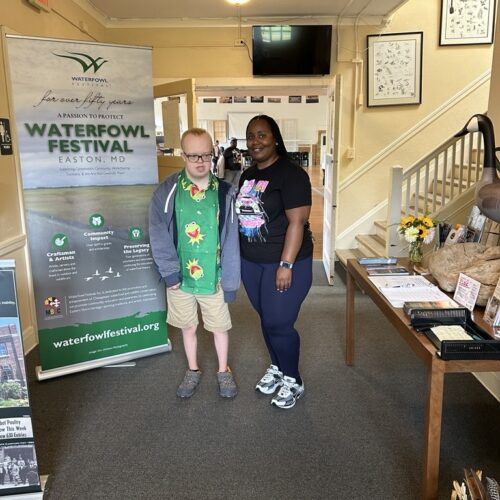
When the members of Fello’s Living Boldly advocacy group asked, “How can we give back to our community?” the answer was clear: take action. On Living Boldy’s first annual Volunteer Day, they rolled up their sleeves, spread out across the region, and got to work.
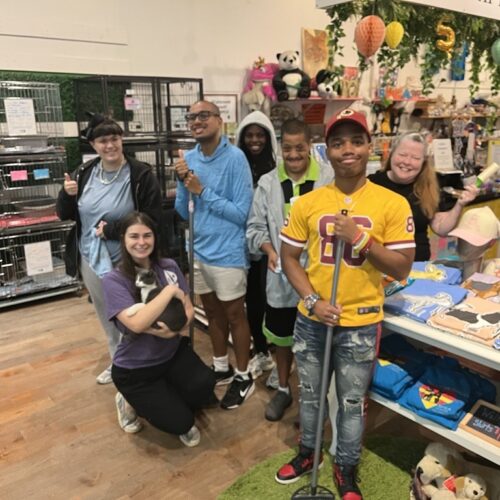
A total of 26 people participated in Living Boldly Volunteer Day, joining together to make a meaningful impact across our communities. Volunteers supported local food pantries, worked at animal shelters, and lent a hand to neighborhood projects that strengthen community life. This day of service will continue as an annual tradition, building on the spirit of connection and advocacy for years to come.
Volunteers supported:
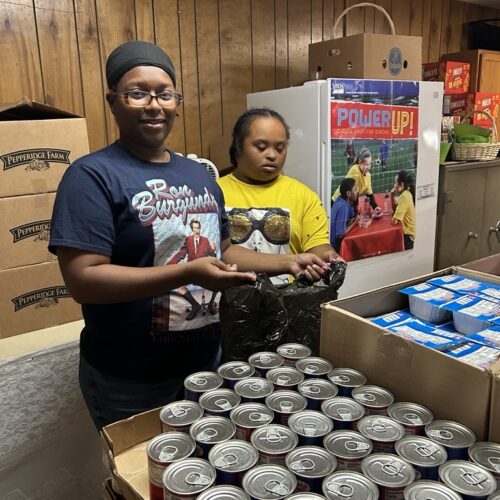
MidShore Meals til Monday, Cambridge – Packing 100–200 food bags for neighbors facing food insecurity.
Paws at the Mall, Annapolis – Cleaning, greeting visitors, and connecting with cats awaiting their forever homes.
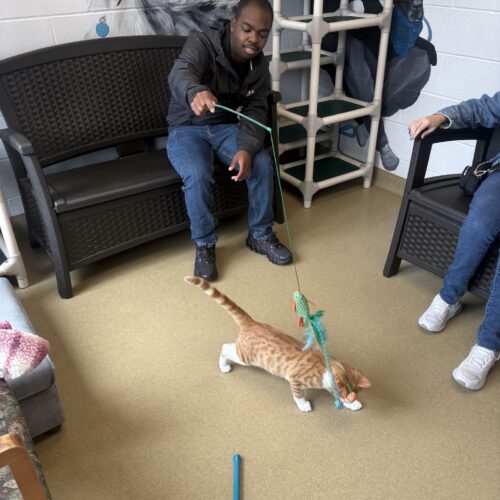
Talbot Humane, Easton – Helping with animal care and enjoying plenty of kitten playtime.
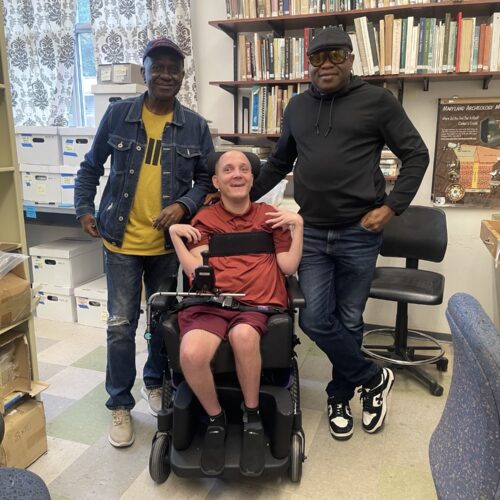
The Lost Towns Project, Londontown – Sorting and cleaning historical artifacts from Anne Arundel County, preserving local history for the community.
Waterfowl Festival, Easton – Supporting preparations for the November festival.
The day was meaningful and rewarding for both the volunteers and the organizations they supported.
“The group was so lovely and truly helped us out, I enjoyed getting to meet and know every last one of them,” said Maggie Crawford of the Anne Arundel County SPCA “Thank you for the work that you do to foster an inclusive and vibrant community for all.”
Inspired by the day of service, one volunteer shared, “I want to come back here and volunteer more often,” and took the first step by signing up for future opportunities.
What is Living Boldly?
Launched in 2022, Living Boldly is Fello’s self-advocacy group that empowers people with disabilities to represent themselves, their ideas, and their interests. Open to anyone with a disability, the group operates through two Maryland chapters in Anne Arundel County and the Eastern Shore, each reflecting the unique needs of their own communities.
Both chapters share a mission: ensure full inclusion, amplify voices on important issues, support personal growth, and encourage independence. Living Boldly’s Volunteer Day is an example of that mission, showing that advocacy goes beyond words—its people making a tangible impact on those around them.
Join Living Boldly
Join us at an upcoming Living Boldly meeting and add your voice, ideas, and energy to the movement. Your seat at the table is waiting—come help shape what’s next. You do not need to receive services from Fello to join the group.
October is National Disability Employment Awareness Month (NDEAM) — a time to spotlight the skills, creativity, and contributions that people with disabilities bring to the workplace. This month-long observance not only celebrates those contributions but also calls on employers to promote inclusive practices and build cultures where everyone’s talents are valued.
At Fello, we believe inclusion isn’t just good practice—it’s the key to stronger businesses and thriving communities.
In our upcoming episode of Fello Thinking Differently, our original podcast, Laura Degler, Assistant Director of Workforce Development, and Jodie Colombo, Director of Day Services, share insights on why employment matters and how Fello helps people find jobs that match their skills and goals.
What began in 1945 as “National Employ the Physically Handicapped Week” has grown into a month-long observance that includes people with all types of disabilities. Over the decades, the awareness campaign has fostered stronger legal protections for workers with disabilities, shifted public attitudes, and encouraged employers to embrace inclusive hiring practices.
Today, NDEAM celebrates progress while calling on all of us to continue building workplaces where equity and opportunity are the norm.
Why Inclusion in the Workplace Matters
For people with disabilities, employment offers more than a paycheck. It’s a pathway to independence, social connection, purpose, and self-worth.
“Employment gives you a purpose,” says Laura. “It gives you an opportunity to be included in your community. It helps you provide for your family and gain independence, buy the things you want, and even make friends.”
Inclusive workplaces strengthen businesses, too: they bring diverse perspectives that spark creativity, fuel innovation, and improve team problem-solving. In fact, according to asystematic review of peer-reviewed studies, organizations that employ people with disabilities see improvements in profitability, reduced turnover, and greater employee loyalty.
Yet the data reminds us there is still work to be done. Unemployment rates for people with disabilities remain significantly higher than those without, and too many are underemployed or working fewer hours than they’d prefer. These gaps show that awareness months like NDEAM are more than symbolic—they’re calls to action.
Fello’s Workforce Development Program
Fello bridges the gap between talented job seekers with disabilities and Maryland businesses looking for dedicated employees with our Workforce Development program. Drawing on decades of experience supporting people with disabilities, our Workforce Development program helps people find meaningful careers while helping employers access a skilled, motivated workforce—all with ongoing support that ensures success for everyone.
Personalized job matching: Connecting skills and career goals with employer needs through a network of 160+ participants.
Comprehensive support for all: Resume building, interview prep, and coaching for job seekers, plus onboarding and accommodation guidance for employers.
Expert guidance at no cost: Professional support with compliance, accommodations, and workplace solutions.
Long-term success focus: We’re committed to sustainable employment relationships, with proven results including an average job tenure of 4+ years and 30% of participants employed over 5 years at the same company.
Join Us in Creating Opportunity
As we celebrate NDEAM this year, we also look forward to workplaces where people with disabilities are not just employed but empowered. And, where their work environments are flexible, accessible, and their contributions are valued equally.
Ready to take the next step? Whether you’re a person with disabilities looking for meaningful employment or a business seeking dedicated talent, Fello’s Workforce Development Program is here to help. Contact us at 443.962.2882 or visit fello.org/fello-services/workforce-development/ to learn more about how we can support your goals and create lasting employment success together.
Across the country, people with disabilities are losing access to the services that allow them to live independently in their communities. Staff shortages are worsening, waiting lists are growing, and the foundation of community-based disability services is at risk. That’s why Fello joined advocates from across the country for ANCOR’s 2025 Policy Summit & Hill Day in Washington, D.C., in September.
Hill Day brings advocates, providers, and community leaders together to meet directly with members of Congress and their staff, sharing the real challenges facing people with disabilities and the organizations that support them. This year, more than 300 participants gathered—and when hundreds of providers and advocates gather on Capitol Hill, lawmakers listen.
“Being on Capitol Hill for Hill Day was a powerful reminder of what’s at stake. Every conversation we had with lawmakers was about ensuring people with disabilities can continue living with dignity and independence in their communities,” said Rylie Shewbridge, Director of Government Relations External Relations. “At Fello, we see firsthand how staffing shortages and underfunding threaten those opportunities, and we’re committed to being part of the solution.”
What is ANCOR?
For over 50 years, ANCOR has been a leading voice in shaping policy and driving solutions that strengthen the ability of community-based providers to support people with intellectual and developmental disabilities. With 2,500 members across the country, ANCOR is dedicated to making inclusion a reality. The organization not only advocates at the federal level, but also equips providers with the resources and knowledge they need to deliver high-quality, person-centered services.
The Crisis Facing Community-Based Services
This year’s advocacy focused on a growing crisis in the Medicaid-funded community-based support system. Medicaid is a lifeline for many people with disabilities, providing access to essential services that promote independence, skill development, and opportunity. Yet, chronic underfunding, workforce shortages, and new administrative barriers are threatening that access.
Fello’s team joined advocates nationwide in urging Congress to:
Invest in Home and Community-Based Services (HCBS): Pass the HCBS Relief Act (HR 4029/S 2076), which would provide a two-year increase to the federal Medicaid match rate (FMAP). This investment would help providers strengthen their workforce and ensure stable, high-quality services for people with disabilities.
Protect Against Cuts and Red Tape: Oppose proposals that reduce Medicaid funding or impose burdensome requirements—such as frequent redeterminations and work requirements—that risk pushing people with disabilities off Medicaid.
Address Workforce Challenges: Support better pay, benefits, and recognition for direct support professionals (DSPs), to compete with other industries offering entry-level positions.
Throughout the day, Fello advocates met with congressional offices, sharing stories from people with disabilities, family members, and DSPs who are directly impacted by these challenges. They thanked lawmakers for their support, encouraged co-sponsorship of key bills, and reinforced the urgent need for action.
Hill Day was an important reminder that when advocates and providers stand together, they amplify voices and drive meaningful change.
Take Action. Stay Connected.
Your voice matters. By urging your representatives to support the HCBS Relief Act, you can help strengthen community-based services and ensure people with disabilities have the resources they need to live independent, connected lives.
Fello will continue to champion the rights of people with disabilities every day. Stay up to date on the latest legislative updates and ways to take action by joining our newsletter and connecting with us on social media.
These cookies help us keep our website safe, give you a better experience
and show more relevant ads. We won't turn them on unless you accept.
Want to know more or Adjust your preferences?
Adjust your preferences
Choose which categories you allow. Necessary cookies can't be turned off,
because the website doesn't work without them.
Necessary
Always active
Session, login, cart, security and the record of your own consent.
Functional
Remember preferences such as language, region and embedded videos.
Statistics
Google Analytics and similar tools that help us understand how the site is used.
Marketing
Meta Pixel, Google Ads and remarketing, used to show relevant ads
on and off this site.