

Fello at The Mall: Six Months of Connection

On February 10, Fello at The Mall opened its doors in the Annapolis Mall, marking the start of an exciting new chapter of belonging in the community.
Our vision was simple: create a warm, inclusive space where people with disabilities, their families, and neighbors could come together, find support, and make memories in a place they already knew and loved.
Just over six months later, Fello at The Mall has become a celebrated part of the Annapolis Mall, welcoming more than 2,000 visitors and creating meaningful opportunities for connection, learning, and access.
Curiosity Leads to Community
Many visitors arrive curious about the space, and each visit gives us a chance to share our story, values, and mission. By the end of the conversation, those new to Fello leave energized and ready to show their support.
“People often express how much they appreciate what we’re doing. They see how Fello at The Mall can bring people together and are inspired by its potential,” said Cynthia Stockton, Manager of Fello at The Mall. “It’s encouraging to meet so many neighbors who are excited about a space created for everyone.”
That enthusiasm spreads. Visitors are quick to share what they’ve learned with friends, family, and neighbors: Annapolis now has a space thoughtfully designed for people with disabilities. That word of mouth has carried our message throughout the community—Fello at The Mall is here, open, and ready to help people live life on their own terms.
Building Trust from the First Visit
At Fello at The Mall, every interaction matters. For the families who visit us for resources and support, feeling respected makes all the difference.
“Families come to us expecting to be heard and supported, and that’s the most important part of our work,” said Sara Pease, Assistant Director of Children, Youth & Their Families. “Searching for resources can leave people feeling overwhelmed. A friendly, empowering conversation can put any family at ease.”
Our Information & Resource Specialists are the first people families meet when they walk in. They listen first, working to understand how they can help each family, then guide them toward the right support—whether that’s connecting them with local resources or inviting them to apply for Fello’s supportive services.
For families interested in working with Fello, we help them get started right away.
“What makes Fello at The Mall so convenient is that we can work with families to take the first steps toward support during their very first visit,” said Pease. “We determine eligibility early, so families can quickly start connecting with our network of services to support their children now and in the future.”
Where families go from there is entirely up to them. But having the option to walk in without an appointment and access resources while enjoying a day at the mall creates a natural pathway to inclusion.
A Place for Everyone
Events at Fello at The Mall give people with disabilities a chance to be themselves. Our Create & Connect gatherings offer opportunities to socialize, discover new interests, and feel a sense of accomplishment in a fun, supportive environment.
The first three events featured everything from karaoke to arts and crafts, and attendance grew with each one, from 12 participants at the first event to 70 at the most recent, held over two dates. That growth reflects how much people value the chance to connect and be part of the community here.
“Our Create & Connect events have really taken off,” said Stockton. “There’s one person Fello supports who’s come to every single event—and now she’s proud to volunteer and help run them. That’s exactly what these gatherings can do for someone’s confidence and independence.”
Everyone is invited to make the space their own. People we support have used it to spend time with friends, while organizations like Anne Arundel County Public Schools have booked the space for staff trainings. Mall vendors and outside companies have also started reaching out, eager to host their own events here.
As more families, neighbors, and organizations discover what’s possible, Fello at The Mall continues to embody what a true community space should be: open and buzzing with energy.
What Six Months Has Built
Fello at The Mall has become more than just a place to visit for an afternoon—it’s a powerful example of what intentional, inclusive design can accomplish.
What began as an ambitious idea is now an essential resource and gathering place for the Annapolis community. By meeting people where they are, Fello has shown what a truly connected community can look like.
And we’re just getting started. More events, new opportunities, and ongoing support are on the horizon. In the meantime, stop by and say hello—we’re here for you.
Fello Welcomes Luke Pinton, Esq. to Board of Directors
Fello, a Maryland-based nonprofit supporting people with disabilities and creating inclusive communities, announced the appointment of Luke Pinton, Esq. to their Board of Directors, effective September 1, 2026. Pinton will also serve on Fello’s Impact Committee.
Pinton brings extensive experience in government relations, public policy, and legal affairs, as well as an existing connection to Fello and its mission. He currently serves as a State Policy Analyst for Netflix.
Prior to joining Netflix, Pinton served as an Associate and Government Relations Principal with Funk & Bolton, where he worked directly with Fello as the organization’s lobbyist. Earlier in his career, Pinton served as a Legislative Aide to then-State Senator Jamie Raskin and spent seven years as Chief of Staff to State Senator Will Smith.
“Luke brings a unique combination of policy expertise, legal knowledge, and a strong understanding of Fello and the people we support,” said Jonathon Rondeau, President & CEO of Fello. “His experience navigating complex government relations and policy issues will be a tremendous asset to our Board, and we look forward to the leadership and perspective he will bring to our work.”
As a member of the Impact Committee, Pinton will support the Board’s efforts to strengthen Fello’s impact for people with disabilities across Maryland.
“I’ve had the opportunity to see firsthand the impact Fello has on people and communities across Maryland, and I’m honored to continue supporting that work in this new role,” said Pinton. “I look forward to bringing my legislative and legal background to the Board and to serving alongside Fello’s leadership to help advance choice, opportunities, and inclusion for people with disabilities.”
Fello’s Board of Directors provides strategic leadership and guidance as the organization continues to respond to the evolving needs of people with disabilities and their families. Pinton’s appointment adds depth in public policy and government relations to support the organization’s work and long-term impact across the state.
How this nonprofit built award-worthy healthcare benefits
National DSP Recognition Week: Honoring the People Who Make Choice Possible

Every September, Fello joins providers across the country in celebrating National Direct Support Professional (DSP) Recognition Week—a time to honor DSPs for the work they do to build a more inclusive Maryland. This year, DSP Recognition Week runs September 13-19.
At Fello, our vision is a Maryland where everyone belongs—where every person has the opportunity to live the life they choose, with dignity, connection, and choice. DSPs help make that vision possible every single day.
DSPs work alongside people with disabilities to help them shape their own paths. They support people in setting goals, pursuing what matters to them, and choosing how they want to live, work, connect, and participate in their communities.
Fello proudly employs close to 450 DSPs across Maryland—each bringing their own story, talents, and passion to our mission. They are essential to helping the people we support live the lives they choose.
“DSPs are there for the moments that make up a life: the big decisions, the everyday choices, and everything in between,” said Jonathon Rondeau, President & CEO of Fello. “We’re grateful for the people who show up every day to listen, support, and help make those choices possible.”
Making Choice Possible: Tyrice
Tyrice is a devoted mother of five, a loving grandmother to twelve, and a proud DSP who helps the person she supports live life on her own terms.
Tyrice advocates for the person she supports. She entered the field because she wanted to be someone people could count on—and that commitment continues to shape how she approaches her work.
For Tyrice, success looks like the person she supports feeling confident—knowing she has someone in her corner while still being the one to make decisions about her own life.
Whether shopping, exploring new places, or enjoying a meal out, Tyrice makes sure the person she supports is always in the lead. It starts with something simple: “What would you like to do today?”
That’s what it means to stand by someone and honor their choices.
Standing Up For Choice: Tammy
Tammy was raised by her grandmother—the greatest influence in her life and the most inspiring advocate she’s ever known. The lessons her grandmother taught her shaped a lasting conviction: everyone deserves to have a voice in the choices that shape their lives.
Tammy began her career as a DSP in the early 2000s before moving into dementia care. Supporting others has always been who she is and what she wants to do. When Tammy’s brother-in-law Jack needed support, his mother reached out to Tammy to ask if she would return as a DSP with Fello to work with him. For Tammy, it was an easy yes—a chance to support her family and help Jack live the life he wants to live.
Five years later, Tammy remains Jack’s staunch advocate.
For Tammy, being a DSP means making sure Jack’s voice stays at the center of the decisions that affect his life. Tammy accompanies Jack to the mall so he can visit his favorite shops. At the grocery store, she supports him as he chooses his own meals and pays his own bill.
These everyday choices are part of what independence looks like—and each one gives Jack the opportunity to decide for himself how he wants to spend his time, money, and energy.
A Year-Round Commitment
Tyrice and Tammy are just two examples of the remarkable DSPs who make Fello’s mission possible.
Every day, our DSPs go above and beyond, shaping a culture of inclusion, belonging, and respect. National DSP Week puts a spotlight on their contributions, but our appreciation for DSPs doesn’t end there—it continues all year.
“The best DSPs know that their role isn’t to decide what a good life looks like for someone else,” said Matt Morgan, Chief Program Officer of Fello. “It’s to listen, support, and create the space for people to define that for themselves. That’s what Tyrice, Tammy, and hundreds of DSPs across Fello do every day.”
Join Us in Saying Thank You
This week, and every week, we invite you to celebrate the DSPs who make a difference. Send a note, share a story, or simply say, “We see you, and we appreciate what you do.”
To every DSP at Fello: thank you for listening, showing up, standing alongside the people we support, and helping make their choices possible—every day.
The Movement That Made Us: The 2020s

This year, as Fello celebrates 65 years of supporting people with disabilities and building inclusive communities, we’re reflecting on the history of the disability rights movement and the milestones that helped shape the work we do today.
For decades, people with disabilities and their allies have worked to create a world where people can participate fully in their communities, make their own choices, and live with dignity and independence. Each decade has brought new progress—and new challenges.
The 2020s have continued that work, bringing greater attention to what inclusion looks like in everyday life. More people with disabilities are living in their communities, pursuing education and employment, building relationships, and finding new ways to belong. At the same time, the past several years have reminded us that this progress cannot be taken for granted.
Protecting the rights, freedoms, and respect of people with disabilities takes ongoing advocacy, new ideas, and a commitment to keep moving forward.
A Greater Sense of Belonging
By the 2020s, the disability rights movement had helped transform where and how people with disabilities live. Fewer than 16,000 people with disabilities lived in state-run institutions by 2021—a dramatic drop from nearly 500,000 in 1955.
But inclusion is more than where someone lives. It means having the opportunity to learn, work, build relationships, participate in the community, and make choices about your own life.
Those changes are increasingly visible in everyday life. People with disabilities are graduating from college, pursuing careers, living independently, and becoming active members of their communities. Representation is changing, too, as people with disabilities are increasingly recognized in entertainment, products, workplaces, and public life. In 2020, Pixar cast a person with a disability to voice a character with autism in the film Loop—a first for the studio. In 2026, Adidas released a running shoe designed specifically for athletes with Down syndrome. Moments like these show that the experiences of people with disabilities are finally being recognized and represented.
These moments may seem small compared with the landmark laws and court decisions that shaped earlier decades. But together, they reflect something important: the growing expectation that people with disabilities should be a part of every aspect of everyday life.
For Fello, that has always been at the heart of our work.
Throughout the 2020s, Fello has continued expanding the ways we support people with disabilities and their families. We launched new opportunities for community connection, expanded behavioral health support, and created new ways for people and families to access resources. Our volunteer program provides opportunities to connect, learn, and grow, while initiatives like Fello at The Mall make it easier for people to connect with support in their own communities.
Each new initiative has opened more doors and possibilities for belonging.
Responding to a Changing World
The decade began with a challenge no one anticipated.
On January 20, 2020, the U.S. confirmed its first COVID-19 case. Just two months later, the country faced the highest number of confirmed cases worldwide, and a nationwide shutdown quickly changed daily life for every American.
The COVID-19 pandemic disrupted daily life across the country and exposed barriers that people with disabilities had been navigating for years. Services, health care, social connection, and support all became harder to access.
Organizations like Fello quickly took action. Working with Anne Arundel County, Fello launched the COVID-19 Family In-Home Supports program, providing $500 respite grants to families of children with disabilities. The grants helped families access respite care and get much-needed relief during an uncertain and isolating time.
But the pandemic revealed needs that went beyond respite support. Isolation and uncertainty highlighted the importance of accessible, person-centered mental health care. In 2020, Fello began offering group mental health sessions, creating space for the people we support to connect and talk about what they were experiencing.
That work continued long after the immediate crisis passed. Today, Fello’s behavioral health program is available to the people we support, with plans to expand access to the broader disability community in Maryland.
The experience reinforced an important lesson: inclusion means responding to the whole person and to the changing needs of the community. Health is the foundation for independence, but it isn’t the whole picture. True inclusion also means having the opportunity to live, work, and connect where and how you choose.
Building More Inclusive Communities
As more people with disabilities became part of their communities, the idea of inclusion continued to grow. It wasn’t just about where people lived. It was about having the same opportunities as everyone else to build a life: a home, a livelihood, access to health care, and a place in the community.
That broader vision of inclusion shaped Fello’s work in the 2020s.
In 2024, Fello opened Port Street Commons in Easton, bringing beautiful, affordable housing to a changing Town of Easton and giving more people the opportunity to live in Easton and be part of the community they call home.
That same year, Fello launched Health Connection, bringing on-site primary and urgent care to Fello employees. The program’s success in its first year led Fello to expand Health Connection to include people supported through Fello’s Living Options & Services program.
Work has long been another important part of independence and community life. Across the country, opportunities for people with disabilities to pursue competitive, integrated employment have continued to grow, while the use of sheltered workshops and subminimum wages has declined.
In 2023, fewer than 46,000 people in the U.S. worked in sheltered workshops, down from more than 400,000 in 2012. The number of people with disabilities earning subminimum wages also fell significantly between 2018 and 2024.
Maryland has been part of that progress. In 2024, the state expanded the Employed Individuals with Disabilities Program, removing income restrictions and lowering the minimum eligibility age, while protecting access to Medicaid benefits.
Fello has been working toward that same goal for years. Through our workforce development program, we help people with disabilities find meaningful employment, build skills, and succeed on the job. Abby’s story is one example of what becomes possible when people have the opportunity and support to build careers on their own terms.
The work of inclusion has always been about opening doors. In the 2020s, more doors are opening—not just to services, but to homes, careers, health care, and communities.
A New Chapter
In 2025, we became Fello.
The new name reflected how much had changed since our founding 65 years earlier. What began as a small group of parents advocating for their children had grown into an organization serving people with disabilities and building stronger communities across Maryland.
But becoming Fello wasn’t about leaving our history behind. It was about carrying that history forward.
The disability rights movement has always evolved as people have challenged assumptions about what is possible, and Fello has done the same.
Today, we’re expanding our work beyond traditional services—building inclusive housing, creating new opportunities for connection and community, investing in employment and health care, and finding new ways to support people and families.
And increasingly, people with disabilities are helping shape that future themselves.
Living Boldly, Fello’s self-advocacy group founded and led by people with disabilities, gives members a place to build confidence, develop leadership skills, advocate for change, and use their voices in their communities.
Their work reflects one of the most important lessons of the disability rights movement: people with disabilities should not simply have a place in the conversation. They should help lead it.
The work that began more than six decades ago continues to change—and so does Fello. Sixty-five years have passed, but the movement is still moving forward. And there’s still more to make possible. Volunteer with us. Sign up for our Action Alerts. Support Maryland families in accessing critical therapies, services, and resources. Every action you take makes a difference.
Fello’s Volunteer Program: A New Way to Show Up for Our Community

Change is what happens when people recognize the difference they can make.
At Fello, we believe true inclusion comes when everyone has the opportunity to participate, contribute, and belong. Our communities are stronger when people come together, share their talents, and create meaningful connections.
That belief is at the heart of Fello’s new Volunteer Program. The program creates new ways for Marylanders to get involved, build relationships, and support a community where everyone has the opportunity to thrive.
“Fello’s Volunteer Program opens doors for people with disabilities to realize their full potential, while empowering volunteers with purpose and connection,” said Jonathon Rondeau, Fello’s President & CEO. “By working together, we’re not just changing lives—we’re reshaping what’s possible and building a Maryland where everyone belongs.”
Opening the Door to Involvement
Supporters, partners, and community members frequently ask how they can become more involved in Fello’s mission. The launch of our Volunteer Program creates new opportunities for people to bring their interests, skills, and experiences to our work.
“One of the questions I hear most often when I’m out in the community is, ‘How can I get involved?'” said Joan Green, Director of Community Engagement. “Fello’s work really connects with people, and they’re eager to be part of it. This program gives more people the opportunity to join us and contribute in ways that reflect their interests, skills, and goals.”
Whether you’re a college student exploring a career in human services, a professional looking for a meaningful way to give back, or someone beginning a new chapter in retirement, there is a place for you at Fello.
Ways to Connect
Everyone brings something valuable to the community. Whether you have a special skill to share, enjoy connecting with others, or want to support meaningful work behind the scenes, there is a way to get involved with Fello.
Our Volunteer Program offers opportunities that reflect different interests, experiences, and schedules, so volunteers can choose the type of involvement that feels right for them.
Connect Through Community
Volunteers help create engaging workshops, classes, and activities. These opportunities focus on connection, participation, and building relationships with people with disabilities. This is a great fit for people who enjoy spending time with others, sharing their interests, or helping create welcoming experiences where everyone can take part.
Support Fello Behind the Scenes
Volunteers can also contribute by supporting essential office and administrative projects that help our team continue advancing Fello’s mission.
This is a great opportunity for people who enjoy organization, problem-solving, and using their skills to support important work across Fello.
No matter how you choose to get involved, your time and talents help strengthen our community and create more opportunities for connection and belonging.
What to Know About Volunteering
Fello’s Volunteer Program is designed to create meaningful experiences for everyone involved.
Volunteer opportunities focus on building relationships, encouraging participation, and fostering engagement. Volunteers are an important part of the Fello community, but they do not replace the specialized support provided by our Direct Support Professionals (DSPs). Our DSPs provide direct support every day, while volunteers help create opportunities for connection, learning, and shared experiences.
To help maintain a safe and welcoming environment, volunteers must:
- Be at least 18 years old.
- Complete a background check and provide a government-issued ID.
- Complete required training before beginning their volunteer role.
For more details and a glimpse into the volunteer experience, check out our Frequently Asked Questions (FAQs).
Before getting started, volunteers will receive guidance from the Fello team to help them feel confident and prepared. We’re here to support you throughout your volunteer experience and help you find an opportunity that feels meaningful.
Join Us in Building a More Inclusive Community
Everyone has something to contribute. Volunteering with Fello is an opportunity to share your time, talents, and experiences while building meaningful connections with others.
“Volunteering isn’t just about giving your time. It’s about discovering how much you have to offer, and finding a place where that truly matters,” said Green. “Fello warmly welcomes anyone inspired by our mission to join us in building a community that uplifts everyone.”
By volunteering with Fello, you’ll become part of a movement rooted in equity, dignity, and belonging. Along the way, you’ll connect with new people, share your skills, learn something new, and help create experiences in which people with disabilities can participate, connect, and thrive. Together, we can continue building communities where everyone belongs.
Ready to get involved? Complete our Volunteer Interest Form, and our team will reach out to learn more about your interests and help you identify the right opportunity.
Questions? We’re here to help at volunteer@fello.org.
‘Shaping her path’: Women 2 Watch panelists weigh in on mentorships, giving back
Fello at 65: Honoring Four Leaders Who Have Helped Shape a More Inclusive Maryland

For 65 years, Fello has championed the rights of people with disabilities—creating opportunities for independence, fostering dignity and choice, and building communities where everyone belongs.
But we did not get here alone.
Every milestone in Fello’s history has been shaped by people who believed in a more inclusive future: supporters who stood by us, advocates who pushed systems forward, self-advocates who used their voices to create change, and partners who helped turn vision into action.
On Saturday, October 3, Fello at 65 will celebrate more than our history—it will honor the people who have helped shape it. Fello will recognize four extraordinary honorees who represent the many people and communities working to advance opportunity, inclusion, and belonging throughout Maryland.
“The story of Fello is really the story of people who have believed in what is possible,” said Jonathon Rondeau, President & CEO of Fello. “When we look back on 65 years, we see more than an organization—we see a community of people who have come together to create change. Our honorees represent the leadership, advocacy, and partnership that have carried our mission forward for generations and will continue to guide us into the future.”
Our Honorees
Across 65 years, countless people have helped shape Fello’s journey. The four honorees we recognize at Fello at 65 represent different paths of leadership—those who have helped build the foundation, those advancing change today, and those shaping the future of our community.
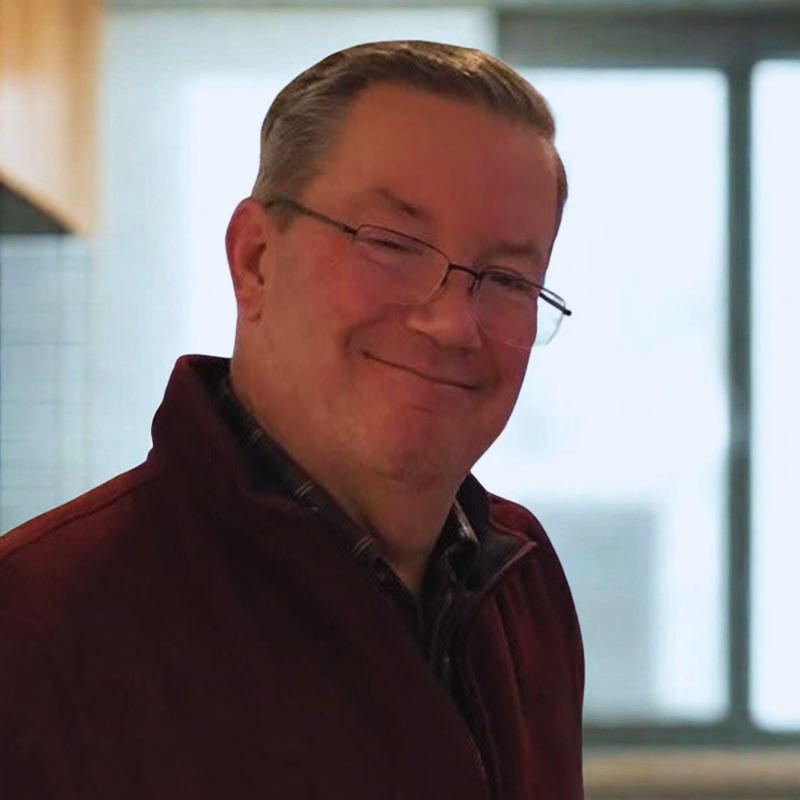
Steve Brennan
For over 20 years, Steve has been a dedicated ally and champion of Fello’s mission. As a former Board Chair, he helped guide us through periods of growth and transition, providing leadership that helped shape the Fello we know today.
Beyond his service on the board, Steve’s generosity and ongoing commitment to the disability community have changed the lives of children with disabilities and their families across Maryland. His belief in Fello’s mission, continued partnership, and lasting impact make him a trusted advocate and an important part of Fello’s story.
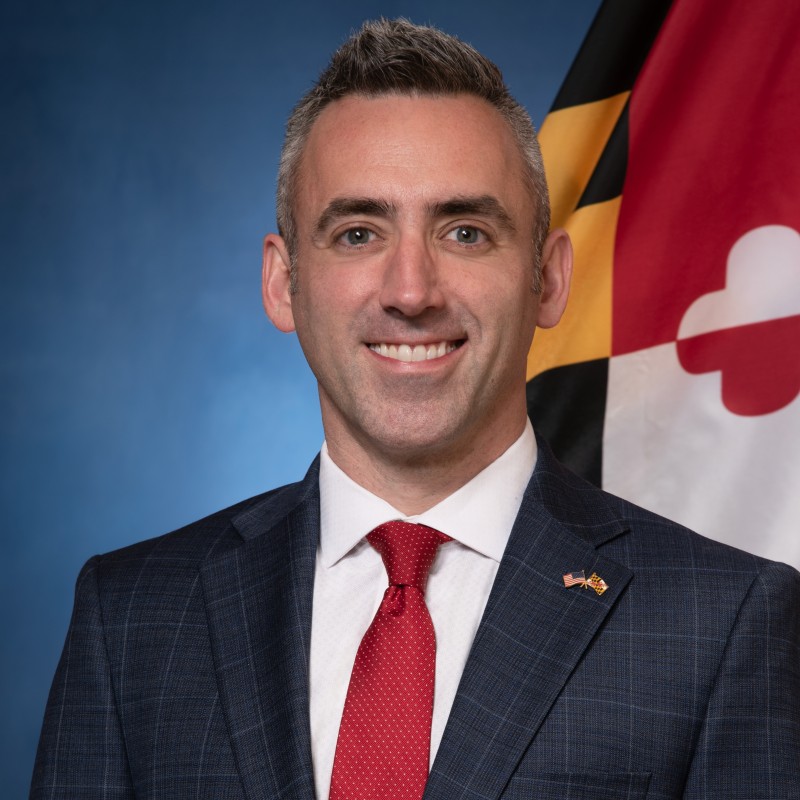
Jake Day, Secretary, Department of Housing & Community Development
A native Marylander, servicemember, and dedicated public servant, Secretary Day has spent his career working to strengthen communities and expand opportunities across the state. Through his leadership at the Maryland Department of Housing & Community Development, he has championed the importance of safe, quality housing as a foundation for thriving communities.
Sharing Fello’s belief that housing should provide choice, connection, and opportunity, Secretary Day has helped advance the policies, partnerships, and investments that make these opportunities possible. His leadership is positioning Maryland as a model for accessible housing statewide.
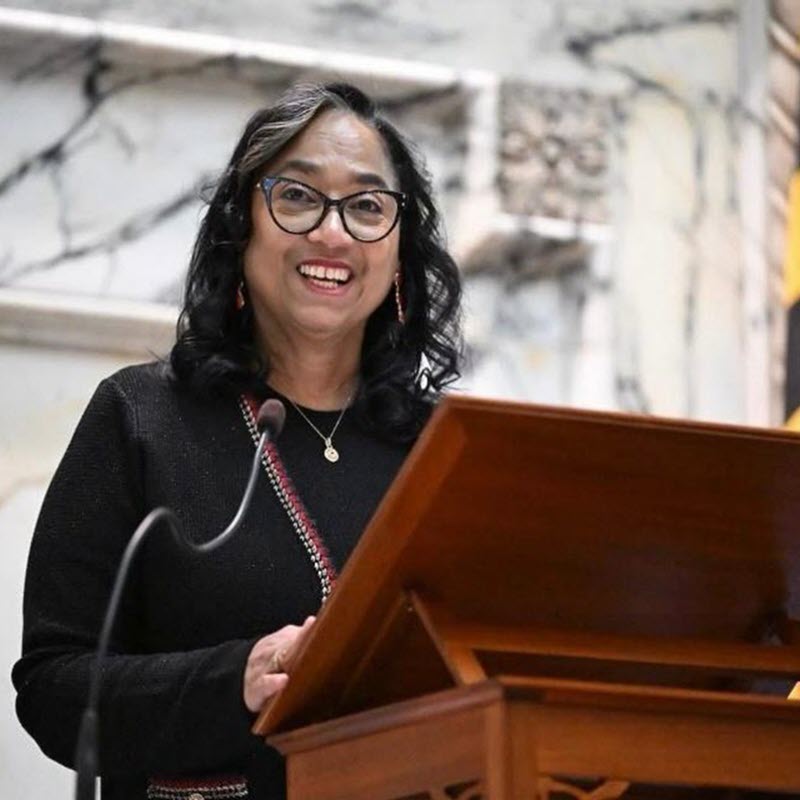
Joseline Peña-Melnyk, Maryland House Speaker
Speaker Peña-Melnyk has spent her career advancing equity and advocating for Marylanders whose voices are too often overlooked. Through her leadership in the Maryland General Assembly, she has been a committed partner in efforts to strengthen supports, expand opportunities, and improve systems for people with disabilities and their families.
As a longtime advocate for the disability community, Speaker Peña-Melnyk has worked alongside advocates and self-advocates to turn community priorities into meaningful action. Her leadership, including her work as the lead sponsor of the End the Wait Act, reflects a commitment to building a Maryland where people with disabilities have access to the services, supports, and opportunities they need to live the lives they choose.
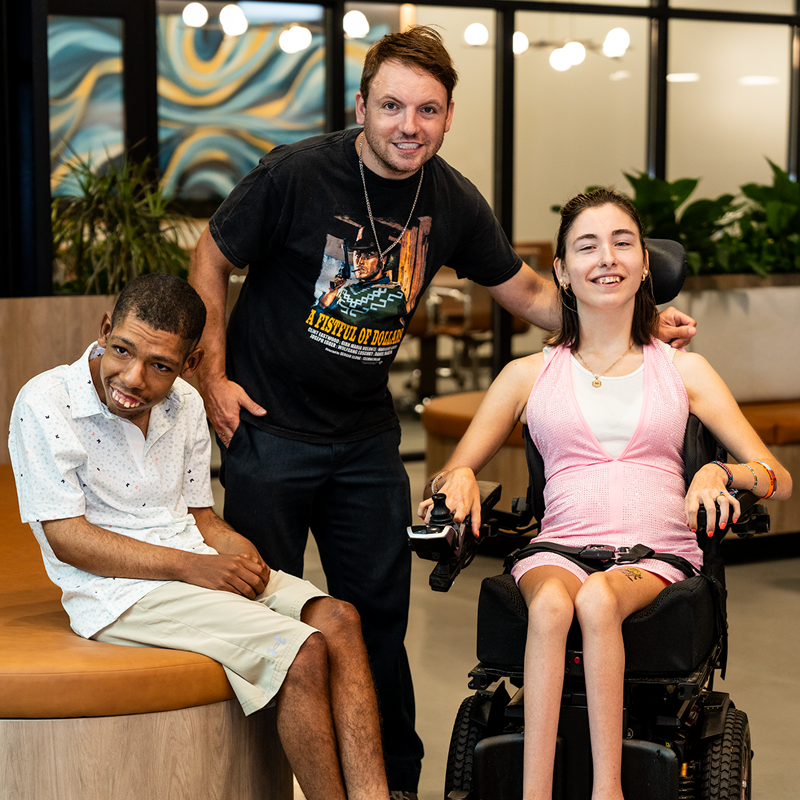
Living Boldly
Founded in 2022, Living Boldly is Fello’s self-advocacy group, created by and for people with disabilities who are committed to using their voices, building leadership skills, and creating change in their communities. Through education, collaboration, and community involvement, members have become a powerful voice for inclusion and self-advocacy across Maryland.
Living Boldly represents the importance of people with disabilities leading conversations, shaping decisions, and advocating for the changes they want to see in their communities. Their leadership reflects the strength of self-advocacy and the continued movement toward a future where every person has the opportunity to live the life they choose.
Celebrating 65 Years of Impact, Together
Join us on October 3 as we celebrate the leaders, advocates, and partners who have helped shape Fello’s story and honor the four leaders whose work reflects the impact of our shared mission. Fello at 65 brings together visionaries, advocates, and friends committed to building a more inclusive Maryland.
With great food, live music, and powerful stories, we’ll look back on 65 years of impact and look ahead to the future we will continue building together.
We invite you to be part of this milestone celebration as we honor the people who have helped make Fello what it is today.
Event Details
Date: Saturday, October 3, 2026
Location: The Hall at Live!